
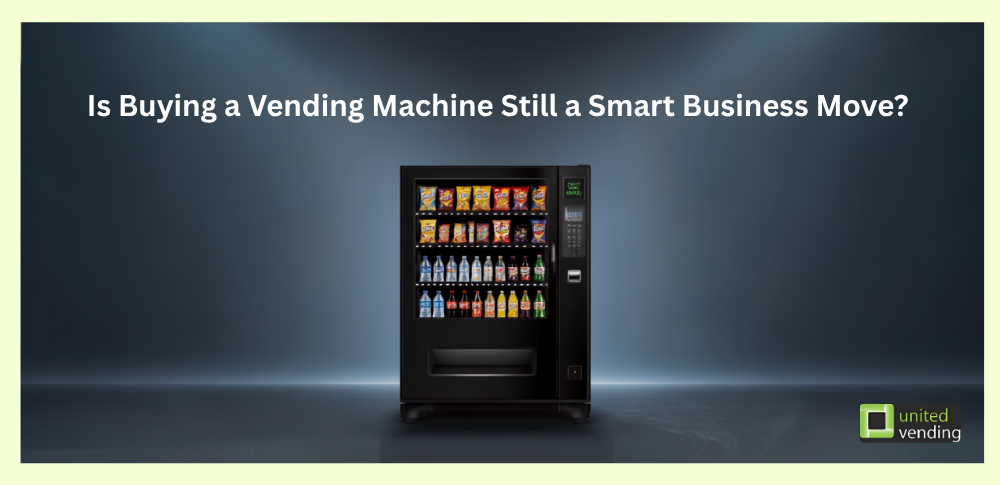
A vending machine can be an interesting addition to a workplace or commercial setting. It offers a convenient way to provide refreshments throughout the day.
Before making a purchase, it helps to look beyond the machine itself. Location, customer preferences, product selection and running costs can all play a part.
There are also different ways to introduce vending into a business. Buying, leasing and managed services can each suit different workplace needs.
Is Buying a Vending Machine Still Worth It?
Buying a vending machine can work well when there is regular demand for convenient refreshments. For businesses planning to buy a vending machine, ownership also gives them more flexibility over products and pricing.
It is helpful to consider running costs alongside the initial purchase. Stock, cleaning, maintenance, payment systems and occasional repairs may all form part of the budget.
A newer machine may require a larger initial investment. However, modern features and warranty support can make it an appealing option for some businesses.
Location Matters More Than the Machine
Location has a real impact on a vending machine’s success. Whilst footfall is beneficial, opening hours and customer purchasing habits also need to be considered.
An office with limited nearby refreshments may have different requirements from one surrounded by cafés. Understanding the people using the space can help guide product choices.
Adequate space, a suitable power supply and easy service access should be assessed before selecting a machine. Businesses should also consider servicing arrangements and any site-specific costs.
Calculate the Full Cost Before You Buy
The purchase price is only one part of the overall investment. Businesses may also want to consider stock, electricity, payment fees, cleaning and maintenance.
Contactless payment options can make vending more convenient for customers. Remote monitoring may also help operators track sales and machine requirements.
A simple cost plan can make the decision easier. Looking at expected usage alongside ongoing expenses gives a clearer picture of the potential value.
Choose the Right Machine for the Site
Different workplaces may benefit from different vending options. Snack machines can suit offices, while combination machines can offer drinks and snacks together.
Cold drink machines can be useful in locations with regular demand for chilled refreshments. Hot drink machines can also complement office environments where coffee is popular.
Capacity is worth considering as well. A smaller workplace may suit compact equipment, while busier locations may benefit from larger machines and regular replenishment.
Buy, Lease or Use a Managed Service?
Buying is one way to introduce vending, but it is not the only option. Leasing can help spread equipment costs, depending on the agreement.
Managed vending can be another convenient approach for businesses. Services may include stocking, maintenance and technical support, depending on the provider.
A free-on-loan service may also suit some workplaces. Businesses exploring options with providers such as United Vending can consider arrangements that provide vending facilities without requiring an equipment purchase.
What Should You Check Before Buying a Vending Machine?
It is useful to review warranty and servicing arrangements before purchasing. Payment technology, spare parts and installation requirements are also worth discussing.
For used machines, check the equipment carefully before committing. Refrigeration, motors, delivery mechanisms, displays and payment components all deserve attention.
Food and drink vending can also involve food safety responsibilities. Businesses should check relevant UK guidance and understand applicable requirements.
What About Vending Machines in London?
London workplaces can have varied requirements for vending facilities. Office size, available space, customer preferences and building access can all differ.
Central London offices may have different needs from workplaces in other parts of Greater London. Transport and servicing access can also be useful considerations.
A busy workplace may require more frequent replenishment than a smaller office. Considering these practical details can help businesses choose a suitable arrangement.
Frequently Asked Questions
Can one vending machine make a profit?
It can, depending on location, customer demand and running costs. Results can vary between sites.
Is it better to buy new or used?
Both options have advantages. New machines offer newer features, while used machines may have a lower starting cost.
What should I consider before buying?
Consider the location, expected demand, machine size and running costs. Servicing and payment options are also worth checking.
Should businesses buy or use a managed service?
Both can work well for different needs. A managed service can reduce responsibilities around stocking and maintenance.
Conclusion
A vending machine can be a useful workplace facility when it matches the needs of its location. The right setup can make refreshments more accessible for staff and visitors.
Before purchasing, consider demand, equipment, products and running costs. It is also worth comparing ownership with leasing or managed vending options.
For London businesses, practical factors such as space and servicing access can also matter. Taking time to review these points can help create a more suitable vending solution.