
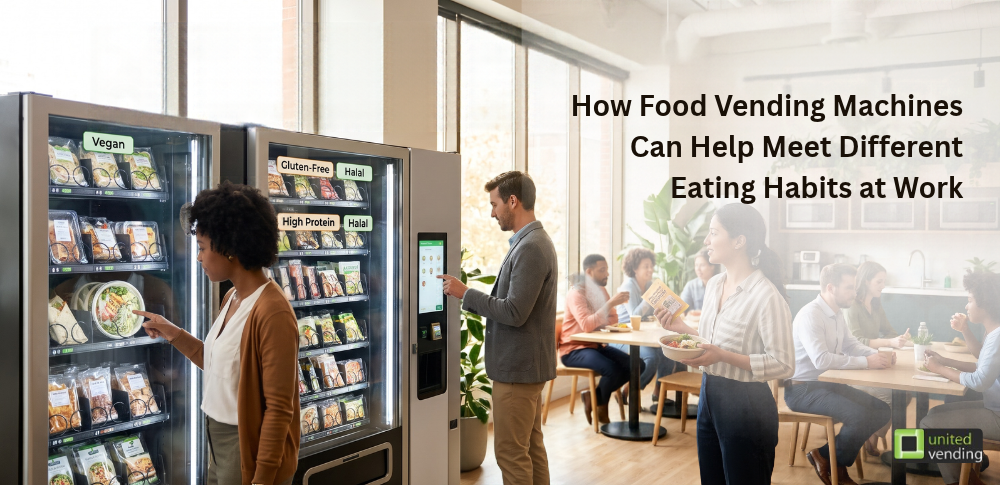
Food vending machines have become one of the more practical ways London workplaces handle the reality that no two employees eat the same way. Whether someone is vegetarian, avoiding gluten, keeping an eye on calories, or simply hungry at an unusual hour, a well-stocked machine handles the variety without anyone having to plan around it. Here’s why getting that product mix right matters more than most employers realise.
The Modern Workforce Doesn’t Eat the Same Way
Walk into any London office and you’ll find a cross-section of dietary habits that would have been unusual to cater for even a decade ago. Veganism and vegetarianism are significantly more common. Calorie awareness has become mainstream. Gluten intolerance, whether diagnosed coeliac disease or general sensitivity, affects a meaningful portion of the workforce. And religious dietary requirements shape what a large number of employees can and can’t eat during the working day.
A canteen can accommodate some of this, some of the time. But canteens have fixed menus, fixed hours, and fixed capacity. Food vending machines offer something different — consistent, round-the-clock access to a range of products that can be curated specifically for the workforce using them.
The key word there is curated. A machine stocked thoughtfully serves a diverse team well. One loaded with a generic selection of crisps and chocolate bars serves almost no one particularly well.
Why One-Size-Fits-All Stocking Doesn’t Work
The Standard Machine Problem
The stereotype of the workplace vending machine, coins in, crisps out, persists because that’s genuinely what a lot of machines still offer. It works for some people, some of the time. But for employees with specific dietary requirements, it effectively means the machine isn’t for them.
That’s a missed opportunity for the business and a source of quiet frustration for the employee. When someone with a nut allergy, a vegan diet, or a preference for lower-sugar options looks at a machine and finds nothing suitable, they don’t just go without, they notice that their workplace hasn’t thought about them.
Variety Increases Usage
There’s a practical commercial logic to getting this right as well. A machine stocked with a broader range gets used by more people, more regularly. Higher usage means stock turns over faster, products stay fresher, and the machine earns its floor space. A machine that only serves sixty percent of the workforce is underperforming by design.
What a Well-Stocked Food Vending Machine Actually Looks Like
The Everyday Staples
There’s no reason to abandon the classics. Crisps, chocolate bars, biscuits, and cereal bars consistently sell across almost every workplace setting. They’re the products people reach for when they want something familiar and quick, and they should form a reliable core of any vending selection.
The mistake is stopping there.
Healthier and Dietary-Specific Options
A properly stocked food vending machine in a London workplace should include options for people who are actively trying to eat better during the working day. That means:
- Protein-focused snacks: protein bars, roasted chickpeas, edamame, mixed nuts — for staff trying to stay fuller for longer or managing their macros
- Lower-sugar alternatives: oat bars sweetened with dates or honey rather than refined sugar, dark chocolate options, rice cakes
- Vegan-friendly products: increasingly easy to source and increasingly expected, particularly in younger workforces
- Gluten-free options: not just one token alternative, but a handful of genuinely appealing choices
- Calorie-labelled products: helpful for anyone tracking their intake, and now standard on most packaged food anyway
This isn’t about turning the vending machine into a health food shop. It’s about making sure there’s something for everyone rather than something for most people and nothing for the rest.
Fresh and Ambient Options
Some food vending machines are set up to handle chilled products: fresh fruit pots, yoghurts, pre-packed sandwiches or wraps, cheese portions. These require a refrigerated unit and more attentive restocking, but for workplaces without a canteen, they can fill a genuinely important gap at lunchtime.
Ambient options, longer shelf-life products that don’t require refrigeration, handle the snacking window well. For a full lunch solution, chilled products are worth considering depending on your team size and the availability of other food options nearby.
Matching the Machine to the Workforce
Know Who Is Actually Using It
The right product mix for a creative agency in Shoreditch looks different from the right mix for a logistics warehouse in Enfield. Age profile, dietary trends within the team, shift patterns, and the presence or absence of other food options on-site all shape what belongs in the machine.
The most effective approach is to ask. A short survey, even just a few questions about dietary preferences and what people would actually use a vending machine for, gives you far better data than guessing. It also signals to staff that their preferences have been considered, which matters for morale in a way that’s easy to underestimate.
Adjusting Over Time
Eating habits shift. A product that sold well six months ago might be gathering dust now because a trend has moved on or because the team’s composition has changed. Restocking shouldn’t just be about refilling what was there before, it should include periodic reviews of what’s actually moving and what isn’t.
A supplier who monitors sales data and adjusts the product mix accordingly adds real value here. One who simply tops up the same slots on the same schedule, regardless of what’s selling, doesn’t. United Vending works with businesses across London to get this balance right, using actual usage data rather than guesswork.
The Practical Side: What Changes When You Get It Right
Fewer Staff Leaving the Building
When food vending machines are stocked with options that suit the team, fewer people feel the need to leave during breaks to find something they can actually eat. For a London office, that matters, a fifteen-minute break that involves a ten-minute walk to the nearest suitable café isn’t really a break at all.
Keeping staff on-site during breaks isn’t about restriction. It’s about giving them a reason to stay because the alternative is genuinely good enough.
Better Afternoon Performance
There’s reasonable evidence that blood sugar management during the working day affects concentration and mood in the afternoon. Access to lower-GI snacks: nuts, oat-based bars, protein-rich options, helps staff avoid the sharp energy dip that follows a sugary snack or skipping food altogether. This isn’t a wellness lecture; it’s just what happens physiologically, and a well-stocked machine can quietly support it.
A Signal About Workplace Culture
The contents of a food vending machine say something about how a business thinks about its people. A machine that caters to a range of dietary habits communicates that the employer has paid attention. It’s a small thing in isolation, but it sits alongside other small things, the quality of the break room, the reliability of the equipment, whether the coffee machine actually works that together shape how employees feel about where they work.
Eating Habits Are Personal. Your Vending Machine Shouldn’t Ignore That.
No workplace can cater to every dietary preference in every format, every day. But food vending machines come closer to that goal than most other on-site food solutions, precisely because they can hold a broad range of products simultaneously and make them available at any hour.
Getting the selection right takes a bit of thought upfront and some ongoing attention to what’s actually being used. United Vending helps London businesses with both — advising on product mix for the specific workforce, managing restocking based on real usage, and keeping machines running without any operational burden landing on the business. No contracts, no upfront costs, and no guesswork on your end. If your team deserves a machine that works for all of them, get in touch and the team will help you get it right.
FAQs
- Can food vending machines stock vegan and gluten-free products?
Yes. Most modern vending machines can be stocked with a wide range of dietary-specific options, including vegan, gluten-free, and lower-sugar products. The key is working with a supplier who actively curates the product mix rather than loading a generic selection. - How do food vending machines help with different dietary requirements at work?
By offering a broad range of products simultaneously, from standard snacks to protein bars, vegan options, and gluten-free alternatives, food vending machines give employees with different dietary habits consistent access to something suitable, regardless of their working hours. - Are healthy snacks available in food vending machines?
Yes, and increasingly so. Protein bars, mixed nuts, oat-based snacks, rice cakes, and low-sugar alternatives are now standard inclusions in well-stocked workplace vending machines alongside the traditional favourites. - How often should workplace food vending machine products be reviewed?
Product selection should be reviewed regularly, every few months is reasonable based on what’s actually selling. A good supplier will monitor this and suggest changes rather than simply restocking the same items on a fixed cycle. - Is there a cost to getting a food vending machine for a London workplace?
Not through United Vending. Their free on-loan model means the machine is provided, stocked, and maintained at no cost to the business. There’s no rental fee and no contract to sign.