
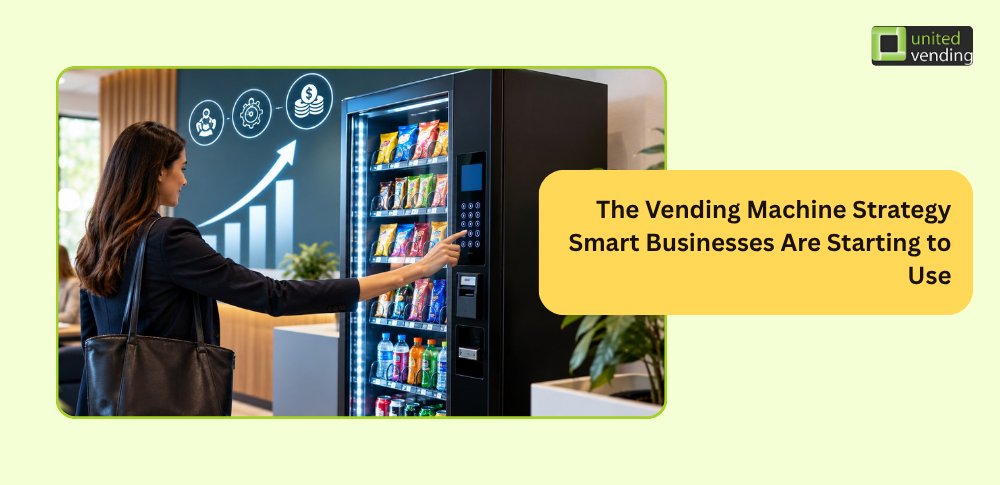
A vending machine can sit in a busy London office and still get very little use. The problem may not be the machine. It could simply be in the wrong place.
This is why smart businesses are paying more attention to free vending machine placement strategies. A well-positioned machine can make workplace refreshments easier without taking up valuable office time.
For businesses around London, space and convenience matter. The right location can also make restocking and servicing much easier.
What Makes a Good Vending Machine Location?
The busiest part of a building is not always the best location. A corridor may have constant foot traffic, while a staff kitchen may generate more regular use.
A good position should be visible and easy to reach. It should also leave enough room for customers and technicians.
Avoid placing machines near doors, narrow walkways or busy equipment. Small layout problems can quickly become workplace frustrations.
Where Should a Vending Machine Be Placed in an Office?
Many offices choose an easily accessible site near staff kitchens, breakout rooms and reception areas. These spaces are already part of a busy working day.
Buildings also have different layouts and requirements. A London office will not have the same needs as a warehouse or larger workplace.
Shift patterns also matter. Businesses with several shifts may need machines in areas accessible throughout the working day.
How Do Free Vending Machine Strategies Work?
Free-on-loan vending allows businesses to use equipment without buying the machine outright. The provider supplies the equipment and earns revenue from product sales.
The site still needs to be suitable. Expected demand, available space and power access all matter.
Businesses should also understand the agreement before installation. Check what the provider handles and what the business remains responsible for.
What Snacks Should Go Into a Workplace Vending Machine?
The product range should reflect what employees actually want. Traditional snacks can remain popular alongside lighter alternatives.
Options might include nuts, cereal bars, dried fruit and lower-sugar snacks. The goal is to offer choice rather than remove familiar favourites.
Local workplaces may also have different preferences. Employee feedback can help determine which products deserve space in the machine.
Why Does Placement Matter More Than Appearance?
Even the coolest new machine isn’t effective if it is not readily accessible to staff. Employees are less likely to use a machine located across the building.
Location also affects servicing. Technicians need suitable access for replenishment, cleaning and repairs.
The machine should fit naturally into the workplace. It should support daily routines rather than interrupt them.
How Can Businesses Create a Better Refreshment Area?
Vending works best when it complements existing workplace facilities. A snack machine could sit beside a staff kitchen or breakout area.
Cold drinks may work better in production spaces or larger shared areas. Hot drinks can be useful where employees already take regular breaks.
Some businesses may also benefit from water coolers. Providers such as United Vending can offer different options depending on the building, workforce and available space.
Should Businesses Change Their Vending Product Mix?
A vending machine does not need to carry the same products forever. Sales patterns can show which items employees prefer.
Products that rarely sell can take up valuable space. Popular items may need more frequent replenishment.
Employee feedback can also reveal new opportunities. A simple request can sometimes identify a product worth testing.
Can a Vending Machine Be Moved Later?
A location may stop working when the workplace changes. Renovations, department moves and staffing changes can affect employee routines.
If usage remains low, review the machine’s position before changing the entire product range. The problem could be accessibility rather than demand.
Businesses should discuss relocation options with their vending provider. This is especially useful for offices that expect future layout changes.
What Should Businesses Consider Before Installation?
The machine is only one part of the arrangement. Businesses should understand how the complete service works before agreeing to installation.
Ask who handles:
- Installation and setup
- Product stocking
- Routine maintenance
- Repairs and technical issues
- Cleaning and hygiene checks
- Product changes
- Payment system support
Businesses should also ask about commercial terms. “Free” equipment does not mean every possible cost or responsibility disappears.
A clear agreement helps avoid confusion later. It also makes it easier to judge whether the service suits the workplace.
FAQ
What is the best place for a vending machine?
The best location is usually somewhere employees already spend time. Staff kitchens, breakout areas and reception spaces can work well.
The machine should be easy to reach without blocking walkways. It should also remain accessible for servicing.
Are free vending machines really free?
A free-on-loan arrangement can provide equipment without requiring an upfront machine purchase.
However, businesses should check the agreement carefully. Ask about installation, stocking, maintenance, repairs and other responsibilities.
Are healthy snacks suitable for workplace vending?
Yes. Healthier options can sit alongside traditional snacks. This gives employees more choice throughout the working day.
The right product mix depends on employee preferences and purchasing patterns.
How often should vending products be changed?
There is no universal schedule. Sales data and employee feedback can guide product changes.
Seasonal preferences may also affect demand. Regular reviews can help keep the machine relevant.
Does vending machine placement affect usage?
Yes. Visibility and accessibility can influence how often employees use a machine.
A machine near existing break areas is often more convenient. An isolated location may receive much less attention.